To comply with the Detroit facade ordinance a facade inspection must be performed every five years. A façade inspection performed to ASTM standards is a systematic evaluation of a building’s exterior wall system to identify defects, deterioration, safety hazards, and maintenance needs. The inspection typically includes a visual examination of exterior components such as brick, stone, EIFS, stucco, concrete, metal panels, sealants, windows, lintels, balconies, and other façade elements. Inspectors look for cracks, displacement, water intrusion, loose materials, corrosion, structural distress, and other conditions that may affect the building’s performance or safety.
ASTM guidance commonly referenced for façade assessments includes standards such as ASTM E2270, which provides procedures for evaluating exterior wall systems and identifying potentially hazardous conditions. The final report typically documents observed deficiencies, assesses their significance, and recommends repairs, further investigation, or ongoing monitoring to help owners maintain a safe and durable building envelope.
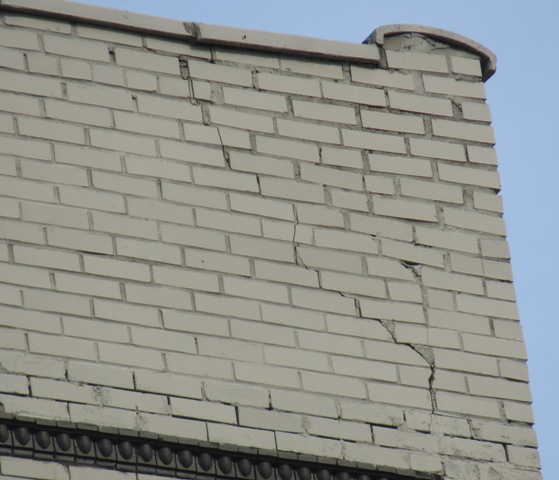
Cracks in brick buildings are a common concern throughout Detroit, Michigan, particularly in older residential, commercial, and industrial structures. Many of Detroit’s brick buildings were constructed decades ago and have been subjected to years of freeze-thaw cycles, moisture intrusion, settlement, and normal aging. Small hairline cracks may be cosmetic, but larger stair-step cracks, horizontal cracks, or areas where bricks are separating from the wall can indicate structural movement or deterioration. Water entering through cracks can accelerate damage by causing mortar joints to deteriorate and increasing the risk of brick displacement during Michigan’s harsh winters.
A façade inspection can help determine the cause and severity of brick cracking. Experienced inspectors evaluate the pattern, width, and location of cracks, along with related conditions such as foundation settlement, lintel corrosion, bulging walls, and moisture penetration. In Detroit, where many buildings are more than 50 years old, early detection of masonry problems can help property owners avoid costly repairs and reduce the risk of falling bricks or other safety hazards. Regular inspections and timely maintenance can extend the life of brick facades and help preserve the city’s historic building stock. For a facade inspection proposal, contact Matt Fletcher or Joe Vaglica at 586-786-5533

A façade inspection sealed by a Professional Engineer (PE) provides building owners, managers, lenders, and municipalities with a higher level of confidence that the exterior of the structure has been evaluated by a qualified professional with specialized engineering knowledge. Building façades are exposed to weather, temperature changes, moisture intrusion, wind loads, and natural aging, all of which can lead to deteriorated masonry, loose cladding, cracked concrete, corroded steel, and other potentially hazardous conditions. A PE has the education and training to assess these conditions, determine their significance, and recommend appropriate repairs. When an inspection report is sealed by a Professional Engineer, it demonstrates that the engineer has taken professional responsibility for the findings and conclusions contained in the report.
Having a PE-sealed façade inspection can also help reduce liability and protect public safety. Falling bricks, stone, concrete, glass, or architectural components can create serious hazards for pedestrians and property below. A professional engineering evaluation can identify defects before they become costly failures or safety risks. In many jurisdictions, engineered reports are required for certain building types, heights, or façade restoration projects. A PE-sealed report can also be valuable when obtaining permits, planning capital improvements, securing financing, or documenting the condition of a building for insurance and legal purposes. Ultimately, investing in a professional façade inspection helps owners maintain their buildings, extend service life, and protect occupants and the public. For a facade inspection proposal, contact Matt Fletcher or Joe Vaglica at 586-786-5533


Leave a comment